The Art of Design in Accessories and Clothing: A Style-Conscious Guide
In a world where trends change by the swipe and wardrobes are updated every season, real style is no longer about owning more. It is about choosing better. The art of design sits at the center of that shift. When you understand how design really works in accessories and clothing, getting dressed becomes less about guessing and more about creating.
This guide will walk you through thinking like a designer when choosing and wearing accessories, making your outfits feel intentional rather than accidental, and building a signature style that quietly turns heads.
1. Why Design Matters More Than “Drip.”
Many stylish people own beautiful pieces, but still feel like their outfits are missing something. The problem is usually not the items themselves but the design decisions behind how those items are combined.
Design is the intentional arrangement of elements to create a desired effect. In fashion, those elements include color, shape, texture, proportion, line, and balance. When you wear accessories without understanding these elements, you rely on luck. When you apply design principles, you create outfits that feel cohesive, elevated, and personal.
Think about the difference between a random stack of bracelets and a curated wrist. The random stack might feature nice pieces, but the curated wrist has a clear story: a repeating metal tone, a balance of widths, maybe one focal piece and supporting pieces around it. That is design at work.
2. The Core Design Principles Behind Great Style
Before diving into specific accessories, it helps to understand the design principles that guide everything.
2.1 Balance
Balance is how visual weight is distributed in an outfit. Heavy boots, a chunky watch, and a bold chain on a slim frame can make a minimal outfit feel bottom-heavy or overwhelming. The goal is to counterweight bold elements.
If you are wearing a dramatic necklace, keep earrings smaller. If your bag is oversized and structured, pair it with clean, simple shoes. Balance keeps your look from feeling noisy or lopsided.
2.2 Proportion
Proportion is the relationship between different sizes and shapes in your look. It includes the ratios between your clothing and accessories, and between your outfit and your body.
Long, delicate necklaces elongate the torso. Short, chunky chokers bring attention upward and can visually shorten the neck. Oversized earrings work best when your neckline and shoulders are more open or simplified. Paying attention to proportion helps you choose accessories that flatter your unique frame rather than fight it.
2.3 Harmony and Contrast
Harmony is when pieces feel like they belong together. Contrast is what keeps things interesting. Great style usually has both.
Wearing all minimal, small-scale accessories can feel too quiet. Wearing all oversized, high shine, heavily detailed pieces can feel chaotic. A harmonious base with one or two contrasting pieces creates a focal point without overpowering.
For example, a minimal black dress (harmonious base) paired with one sculptural gold cuff (contrast and focal point) feels intentional and chic.
2.4 Rhythm and Repetition
Rhythm in design comes from repeating elements in a way that feels deliberate. In outfits, that might mean repeating a metal tone, a color, or a shape.
If you wear a silver necklace, a silver ring, and a bag with silver hardware, the repetition ties everything together. If your earrings have circles and your belt buckle and bag clasp echo that circular shape, the look feels subtly united.
3. Designing With Color: The Fastest Way To Elevate Accessories
Color is one of the easiest and most powerful design tools you can use with accessories.
3.1 Pick Your Metal Story
Most people look better in either warmer metals (gold, brass, bronze) or cooler metals (silver, platinum, white gold). This is not a rule you must never break, but choosing one main metal “story” as your base instantly makes your accessories feel more designed.
Once you have a dominant metal, you can occasionally mix, but do it with intention. For example, wear mostly gold, then introduce a mixed-metal piece that already blends silver and gold. That way, the mix looks purposeful.
3.2 Use Accessories To Control Color Intensity
If you love color but feel nervous about bold clothing, accessories are your training ground. A neutral outfit can handle a vivid bag, a jewel-toned scarf, or a colored statement earring.
You can also use accessories to echo the colors in your clothes without being too matchy-matchy. If you are wearing a printed dress with hints of blue, a pair of blue earrings, or a ring with a blue stone will pull that color out and make the whole look feel more curated.
3.3 Create Color Bridges
A color bridge is an accessory that connects two colors in your outfit so they do not clash. For example, if you are wearing a black top and tan pants, a belt or bag that includes both black and tan in its design acts as a bridge, making the combination look cohesive.
Prints, marbled materials, and multi-tone metals are great for creating color bridges.
4. Shape, Texture, and Movement: The Silent Style Shifters
Accessories are not just about color. Their shape, texture, and movement change the entire mood of your look.
4.1 Shape
Geometric pieces feel modern and structured. Organic, irregular shapes feel artistic and softer. If your clothing is very tailored and sharp, adding a few organic shapes can relax the look. If your clothing is loose and flowing, geometric pieces can add structure and polish.
4.2 Texture
Texture is where accessories can do what clothing alone cannot. Leather, metal, beads, stones, woven materials, satin, and matte finishes all carry different personalities.
A simple T shirt and jeans can look elevated with a structured leather bag, a smooth metal watch, and a beaded bracelet. The contrast in textures creates visual depth without resorting to loud colors or prints.
4.3 Movement
Pieces that move, such as fringe earrings, layered necklaces, or charm bracelets, add life to your outfit. A little movement feels playful and dynamic. Too much can become distracting.
Use movement near the area you want to draw attention to. Earrings with movement draw the eye to the face. A charm anklet draws the eye down to the shoes. Be conscious of where your accessories are leading the viewer’s eye.
5. Building A Signature Accessory Style
True style-conscious people do not just wear accessories. They develop a recognizable accessory language.
5.1 Choose Your Trademark Elements
Ask yourself:
- Do I want to feel more minimal or more expressive?
- Do I prefer smooth and sleek, or textured and detailed?
- Which metal feels most like “me”?
Once you identify your preferences, choose 2 to 3 trademark elements. For example:
- Always a stack of thin rings
- Always a delicate necklace layered with one meaningful pendant
- Always wear bold earrings on evenings out
- Always a statement watch
When these elements repeat across your outfits, people start to recognize your style even when your clothes change.
5.2 Curate, Do Not Collect
Instead of chasing every trend, curate your accessories as if you are building an art collection.
Ask these questions before buying:
- Does this piece work with at least 3 outfits I already own?
- Does it fit my metal, color, and shape preferences?
- Is it replacing or upgrading something I rarely wear?
This mindset keeps your accessory collection focused and powerful, rather than cluttered and confusing.
5.3 Layering With Intention
Layering is where many style-conscious people either shine or stumble. The key is a clear hierarchy.
- One focal piece: the star of the look
- Two or three supporting pieces: simpler, smaller, or more neutral
For necklaces, you might layer three:
- A short, delicate chain near the collarbone
- A mid-length pendant
- A slightly longer, simpler chain
They should sit at clearly different lengths, not fighting for the same space.
With bracelets, mix widths and textures, but keep metal consistent. With rings, leave one or two fingers more bare so the eye has somewhere to rest.
6. Matching Accessories To Different Clothing Silhouettes
Design does not happen in a vacuum. The success of any accessory depends on what you pair it with.
6.1 With Minimal, Clean Outfits
When your clothing is simple, you have more room to play with accessories.
Think of a white shirt and tailored trousers. You can go in several directions:
- Polished: small hoop earrings, a slim watch, and a structured bag
- Creative: sculptural earrings, a bold cuff, and an artsy bag
- Luxe minimal: fine layered necklaces, delicate rings, and a soft leather tote
The design question is: what mood do you want this simple base to convey?
6.2 With Printed or Detailed Outfits
When your clothes are already doing a lot, accessories should support, not compete.
Choose simpler shapes, fewer pieces, and colors that echo the print rather than introduce too many new tones. For instance, with a floral dress featuring gold print, small gold hoops, and a thin bracelet, you might be all you need.
6.3 With Oversized or Relaxed Fits
Oversized silhouettes can drown out tiny, delicate accessories. Here, you often need slightly bolder pieces to hold their own.
Chunkier chains, larger hoops, substantial watches, or structured bags balance the ease of oversized clothing and keep you from looking lost in fabric.
7. From Closet To Canvas: A Simple Daily Styling Process
To apply the art of design to your real life, try this 5 step process when you get dressed.
- Start with your base outfit.
- Decide the mood: polished, playful, edgy, romantic, minimalist, etc.
- Choose your metal story and 1 focal accessory.
- Add 2 to 3 supporting accessories that repeat a color, metal, or shape.
- Step back and check balance, proportion, and comfort.
Over time, this process becomes second nature. You will start to see your closet as a toolkit rather than a pile of random pieces.
8. Elevate Your Style With Thoughtfully Designed Accessories
When you treat accessories and clothing as parts of a designed whole, everything changes. Outfits feel more intentional. You rely less on trends and more on your own eye. People will not always know exactly what is different, but they will sense the refinement.
If you are ready to take this from theory to reality, explore our curated accessories designed with these design principles in mind. Each piece is made to mix, match, and layer beautifully so you can build your own signature style instead of starting from scratch every time.
Visit our collection today and start designing your look, one accessory at a time.


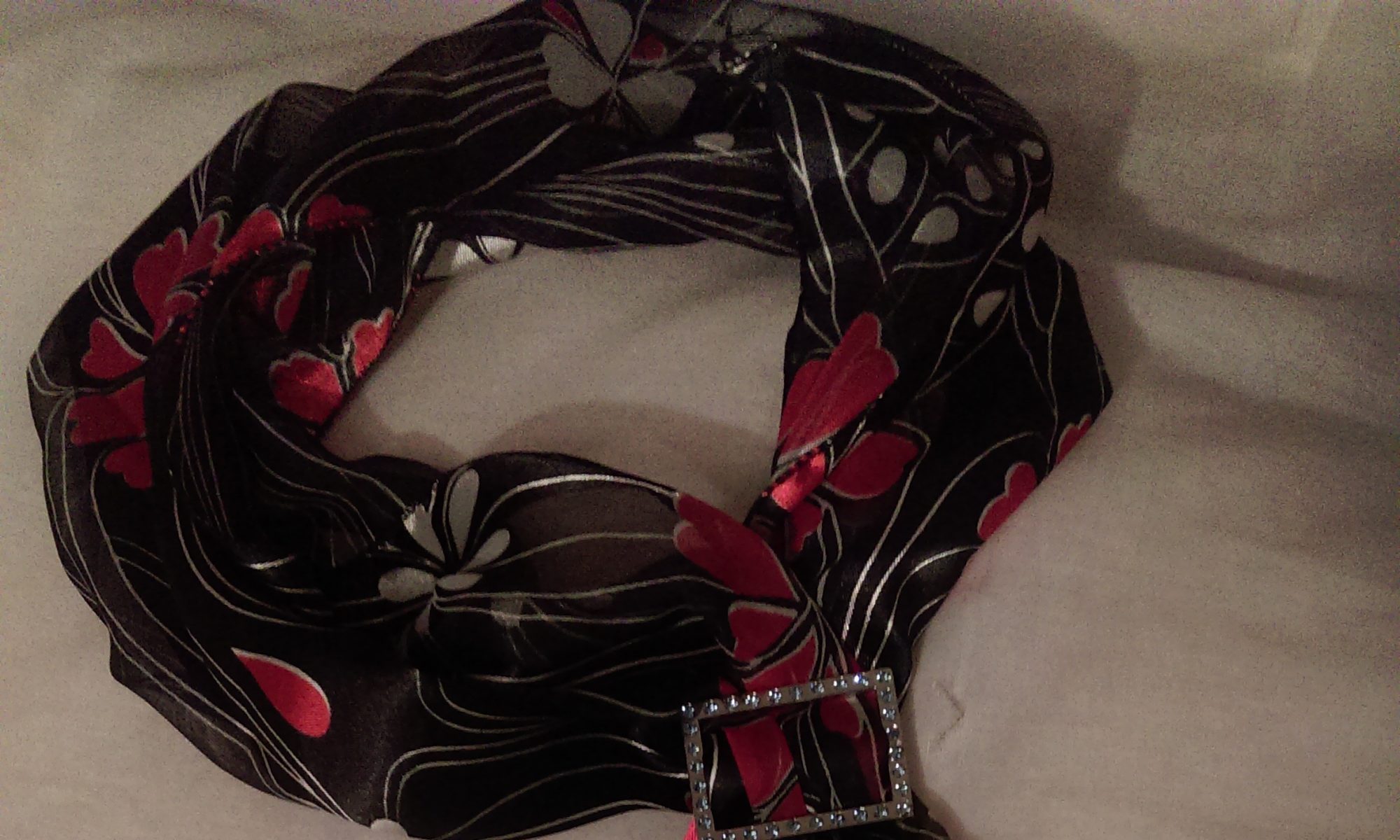
 A lovely pashmina scarf, made from wool.